A cooperative that outgrew us
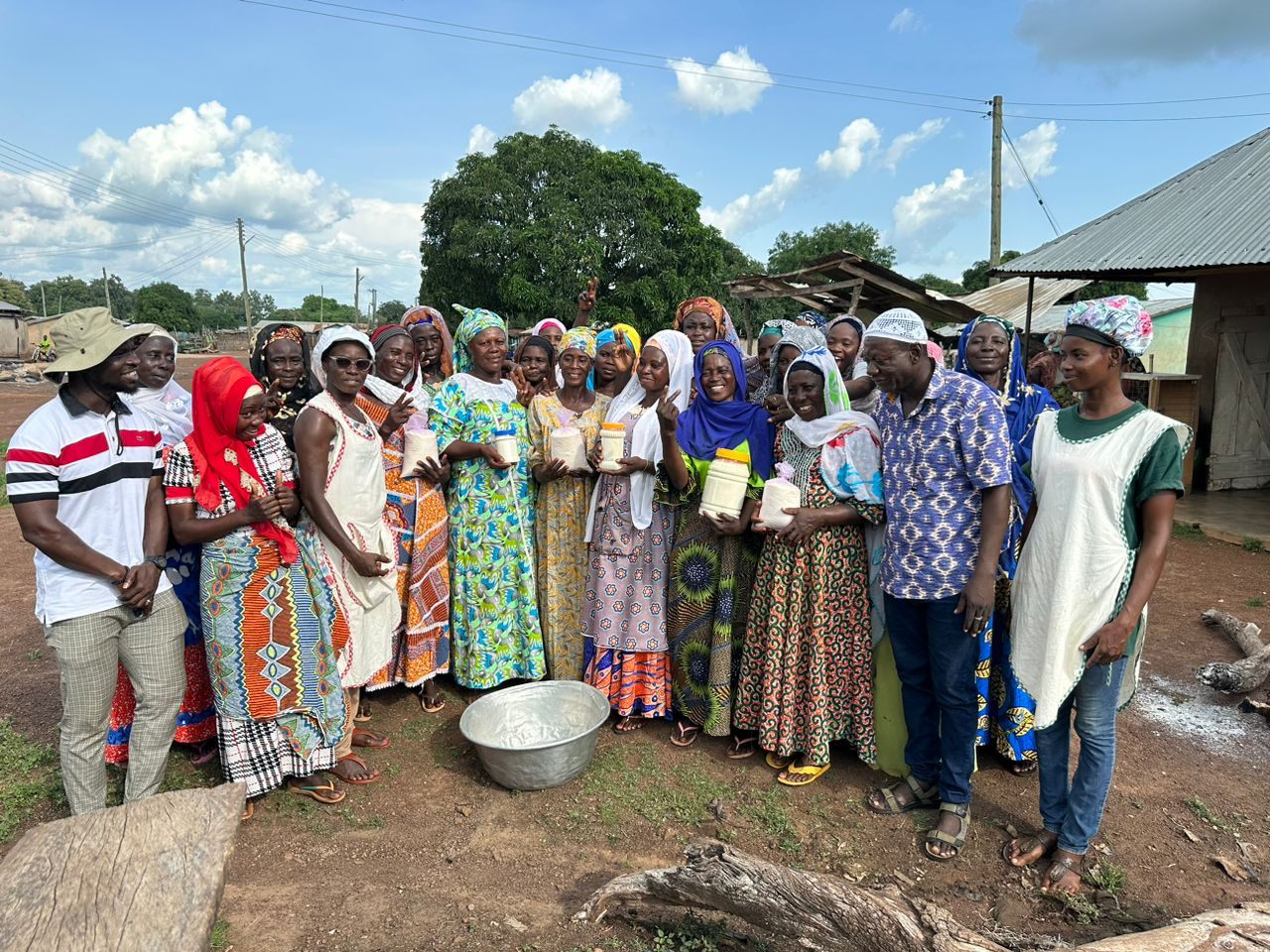
The women's groups DF supported organised into the Development Frontiers Women Cooperative, which is now an independent cooperative owned and run by its members.
Local Economic Dev.
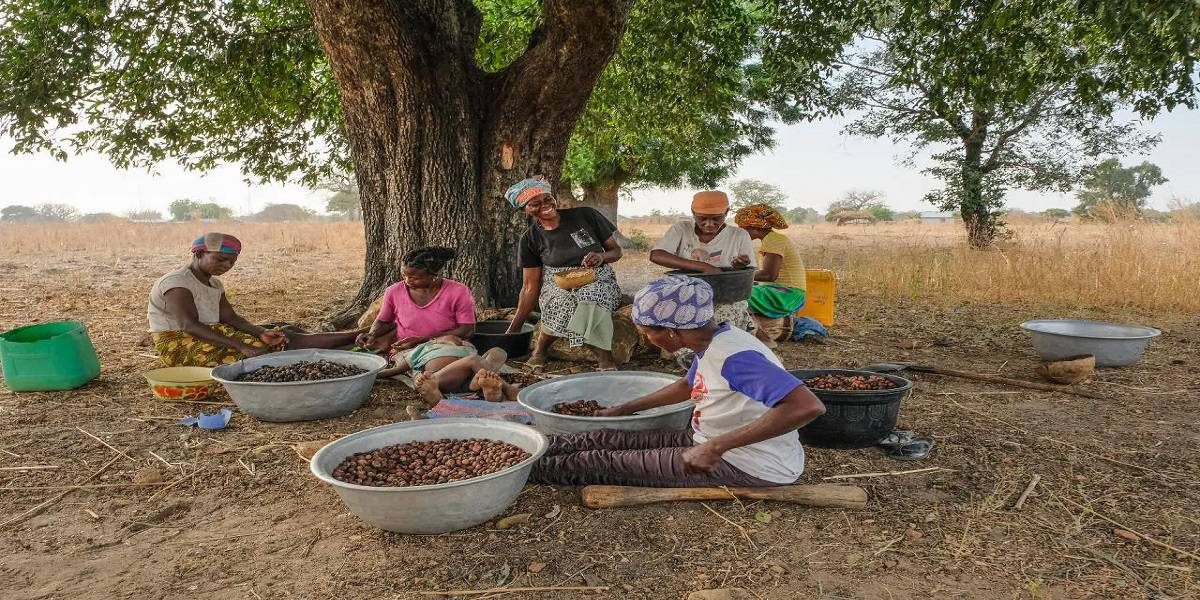
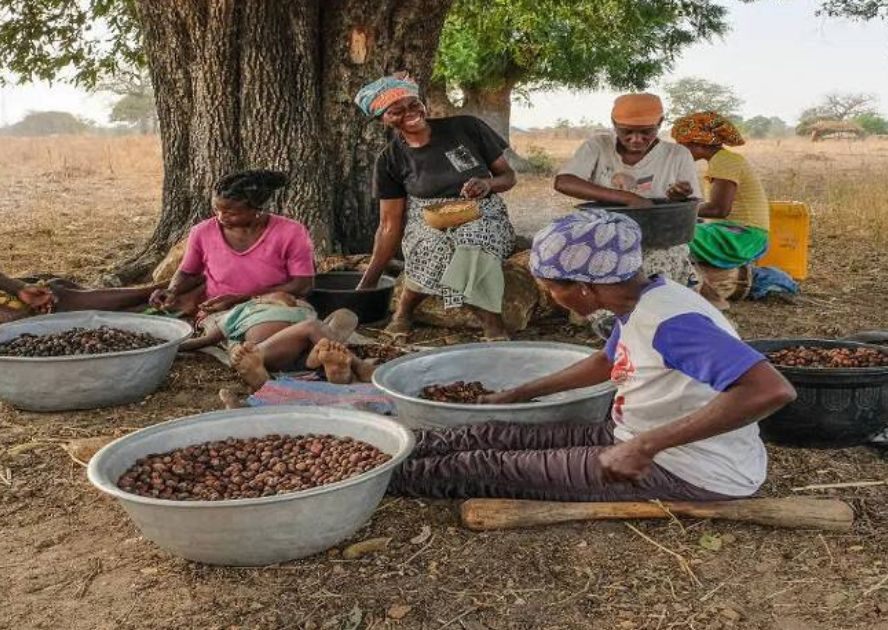
Shea is picked, boiled, pounded and processed almost entirely by women. Very little of what the nut is finally worth comes back to them.
The Challenge
Across Northern Ghana, women walk out to the shea parklands at first light through the collecting season. The work is long and the processing is hot, heavy and unpaid until the butter is finally sold.
Selling alone, and selling early, is what keeps the returns low. A woman with a single basin of butter and a household to feed takes the first price offered, usually from a buyer who knows she cannot wait and cannot store. Quality varies from batch to batch, so buyers discount the whole lot rather than pay for the good of it. The value that is added further down the chain, in refining, blending and branding, is added somewhere else entirely.
Our Response
We work with existing women's groups rather than forming new ones, and build the things that let a group behave like a business: a shared quality standard, somewhere to store, and the confidence to negotiate as one.
The Difference
The clearest measure of this work is not a figure we report, it is an organisation that now reports for itself.
The women's groups DF supported organised into the Development Frontiers Women Cooperative, which is now an independent cooperative owned and run by its members.
Consistent grading and better packaging mean groups can approach buyers who pay for quality rather than discount for uncertainty.
More of each sale returns to the women who did the collecting and processing, and to the communities they live in.
Group records, savings and shared decision-making mean members choose when to sell, not the first buyer to arrive.
Why It Matters
Shea income is rarely spent on the woman who earns it. It goes on school fees, on medicine, on food through the lean season. Raising what a group can command for its butter changes what a household can afford in the months when it has the least.
Get Involved
This work grows with the number of groups reached, the quality of equipment they can access, and the buyers willing to meet them.
Part of our Local Economic Development programme.
More Of Our Work
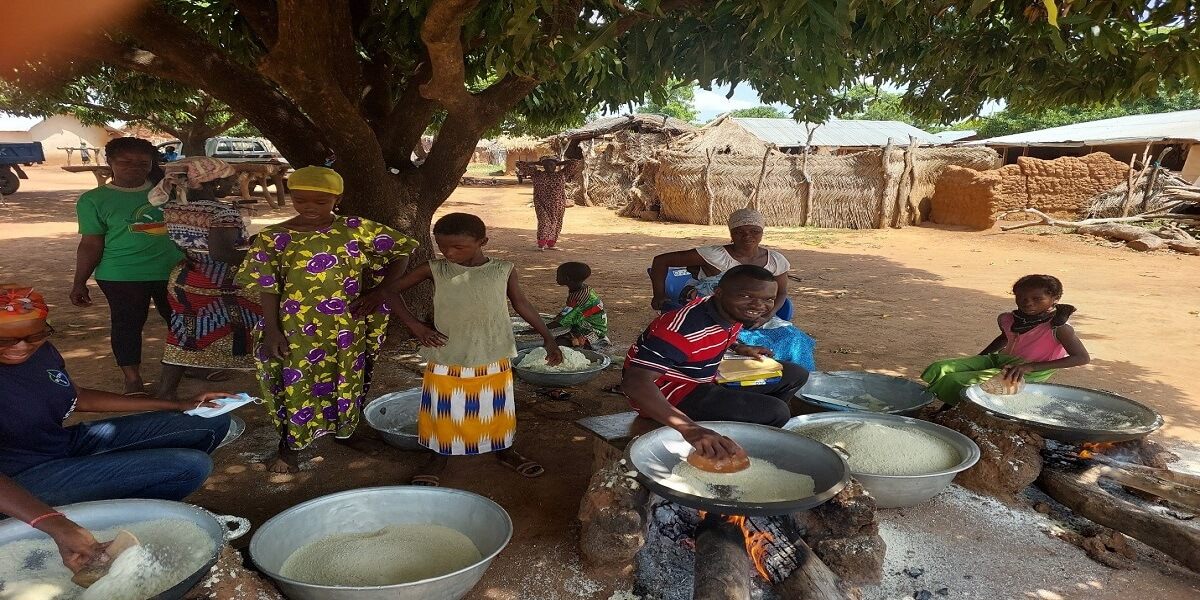
Equipping rural women and youth with agro-processing skills to add value and earn year-round income.
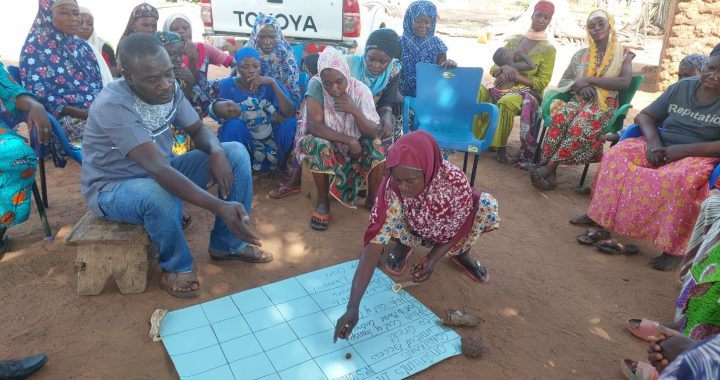
Working with communities to map climate risks, resources and priorities before any intervention begins.
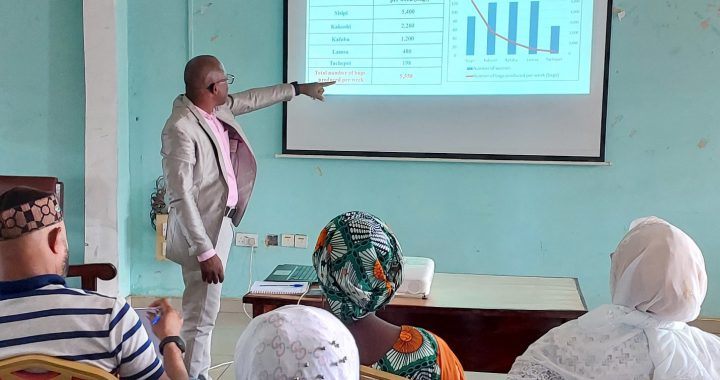
Taking findings back to communities for validation, then into district dialogue.
Talk to us about co-designing your next programme in Northern Ghana.
Hello! 👋 How can we help — partnering, funding a project, or volunteering?Online now