Income across the whole year
Gari can be stored and sold when prices are good, rather than dumped at harvest when everyone is selling at once.
Agriculture
Cassava does not wait. Once it is lifted it begins to spoil, and a harvest that cannot be processed quickly becomes a harvest sold cheaply or lost.
The Challenge
Cassava grows well in the Savannah Region and feeds households through difficult months. But the root deteriorates within days of harvest, which hands the timing to whoever is buying.
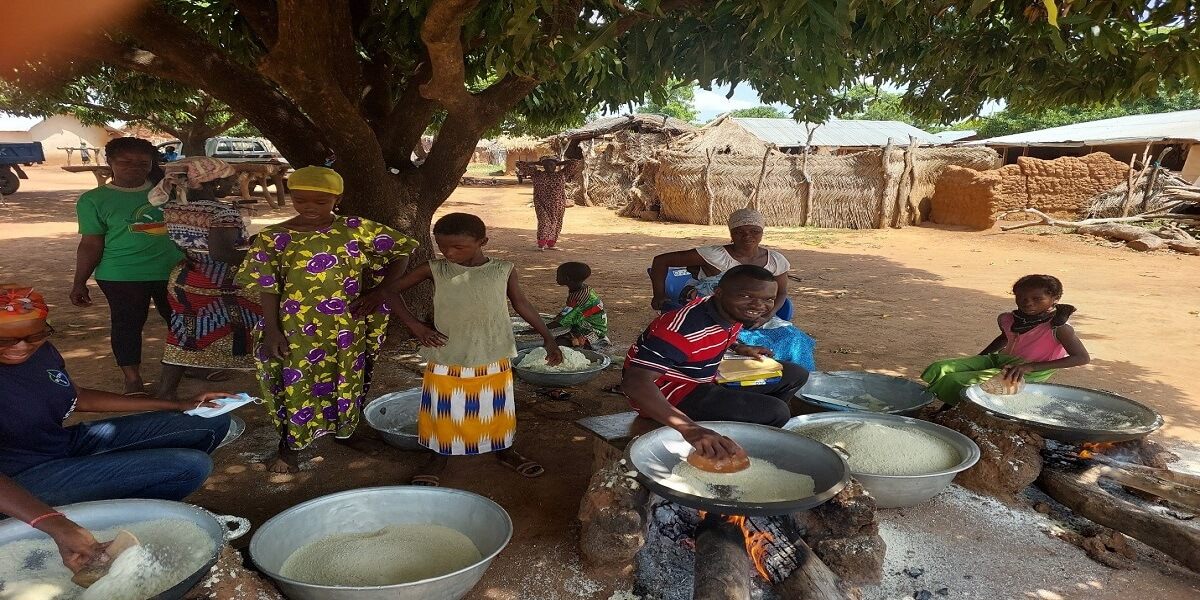
Processing it into gari solves the storage problem and creates something that can be sold all year. Done over open fires with borrowed equipment, though, it is exhausting and slow, the quality swings from batch to batch, and the work falls on women and young people who have the least access to better tools. Young people in particular saw no future in it, and looked south for work instead.
Our Response
We treated gari making as an enterprise rather than a chore, and trained groups of women and young people in the skills and standards that make it one.
The Difference
Processing turned a crop with a deadline into a product with a shelf life, and gave the people doing the work a reason to stay.
Gari can be stored and sold when prices are good, rather than dumped at harvest when everyone is selling at once.
Faster processing after lifting means less of the crop is lost to spoilage.
Young people gained a skill and a group to work within, making agribusiness at home a real alternative to migrating for work.
Hygiene and quality practices opened up buyers who will not touch an inconsistent product.
Why It Matters
The gap between a good harvest and a good year is almost always what happens after the harvest. Skills, equipment and storage are what close it, and they stay in the community long after a project ends.
Get Involved
Agro-processing scales cleanly: every additional group needs training, equipment and a route to market.
Part of our Agriculture programme.
More Of Our Work
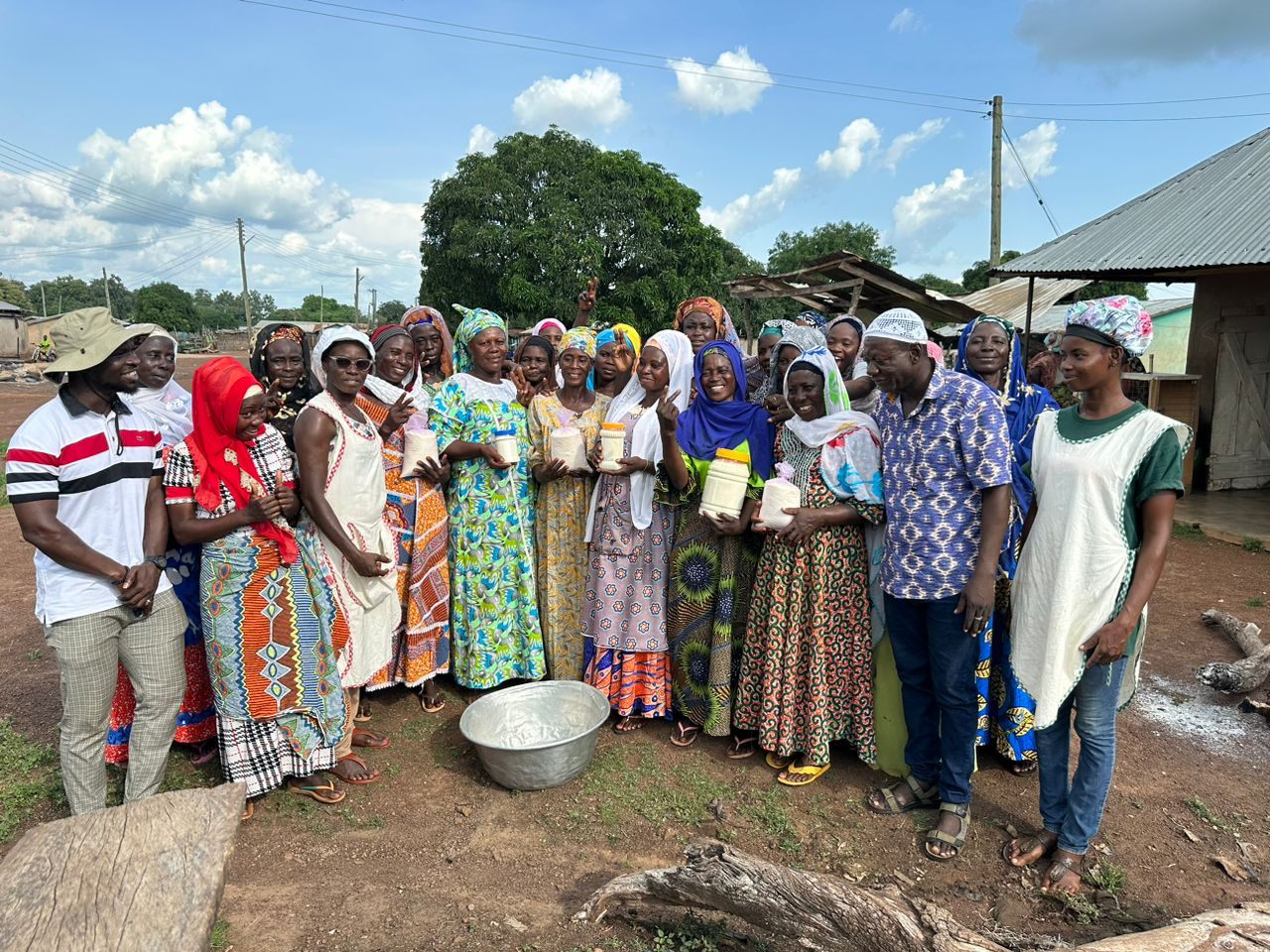
Strengthening women's groups to collect, process and sell quality shea butter at fair prices.
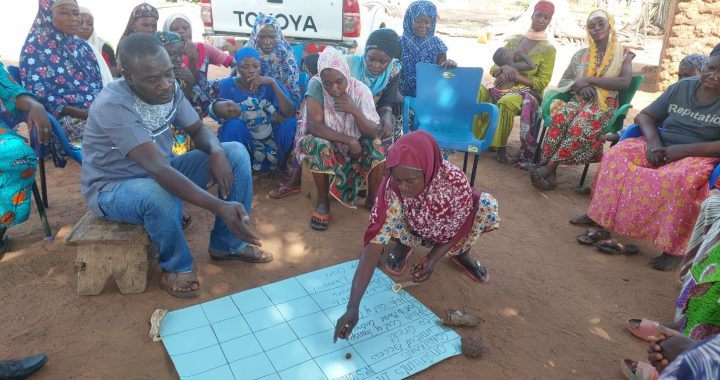
Working with communities to map climate risks, resources and priorities before any intervention begins.
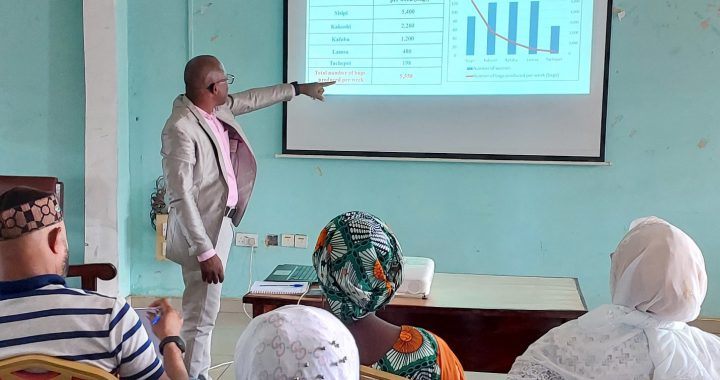
Taking findings back to communities for validation, then into district dialogue.
Talk to us about co-designing your next programme in Northern Ghana.
Hello! 👋 How can we help — partnering, funding a project, or volunteering?Online now