Evidence that belongs to the community
Residents can see their own priorities written down, which makes it far harder for a programme to drift away from them.
Climate Adaptation
Programmes fail quietly when they answer a question the community never asked. So we start by asking.
The Challenge
Rural communities in Northern Ghana are living with shorter, less predictable rains, hotter days and thinning tree cover. What that means in practice differs from one village to the next: a dry borehole here, a lost dry-season garden there, a river crossing that now cuts a school off for weeks.
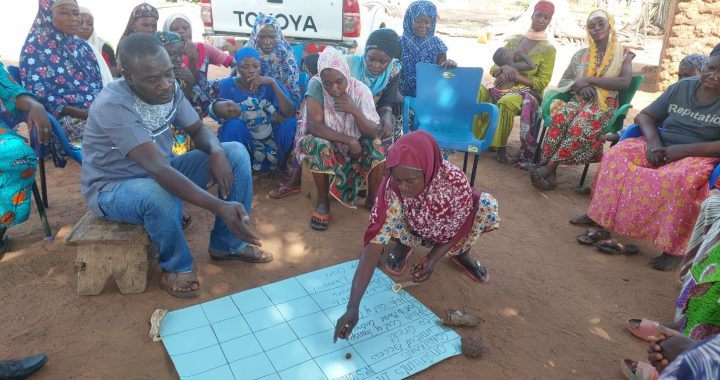
Programmes designed from a district office, or from a template, tend to miss those differences. They also tend to hear from whoever speaks first and loudest at a gathering, which is rarely the women who carry the water or the young people with no land of their own.
Our Response
We put the mapping in the hands of the community, on the ground, in the open, where everyone present could see what was being recorded and correct it.
The Difference
The assessment is not a document that sits on a shelf. It is the thing every later decision in that community is checked against.
Residents can see their own priorities written down, which makes it far harder for a programme to drift away from them.
What DF delivers in a village is shaped by what that village ranked highest, not by what was easiest to fund.
Running women's and youth sessions separately changed what came out of the process in almost every community.
Later work has something honest to be compared with.
Why It Matters
Climate adaptation is specific or it is nothing. A response built on what a community actually named is the one they will still be running once the funding ends.
Get Involved
Assessment is the least glamorous part of a programme and the part most often cut. It is also what decides whether the rest works.
Part of our Climate Mitigation & Adaptation programme.
More Of Our Work
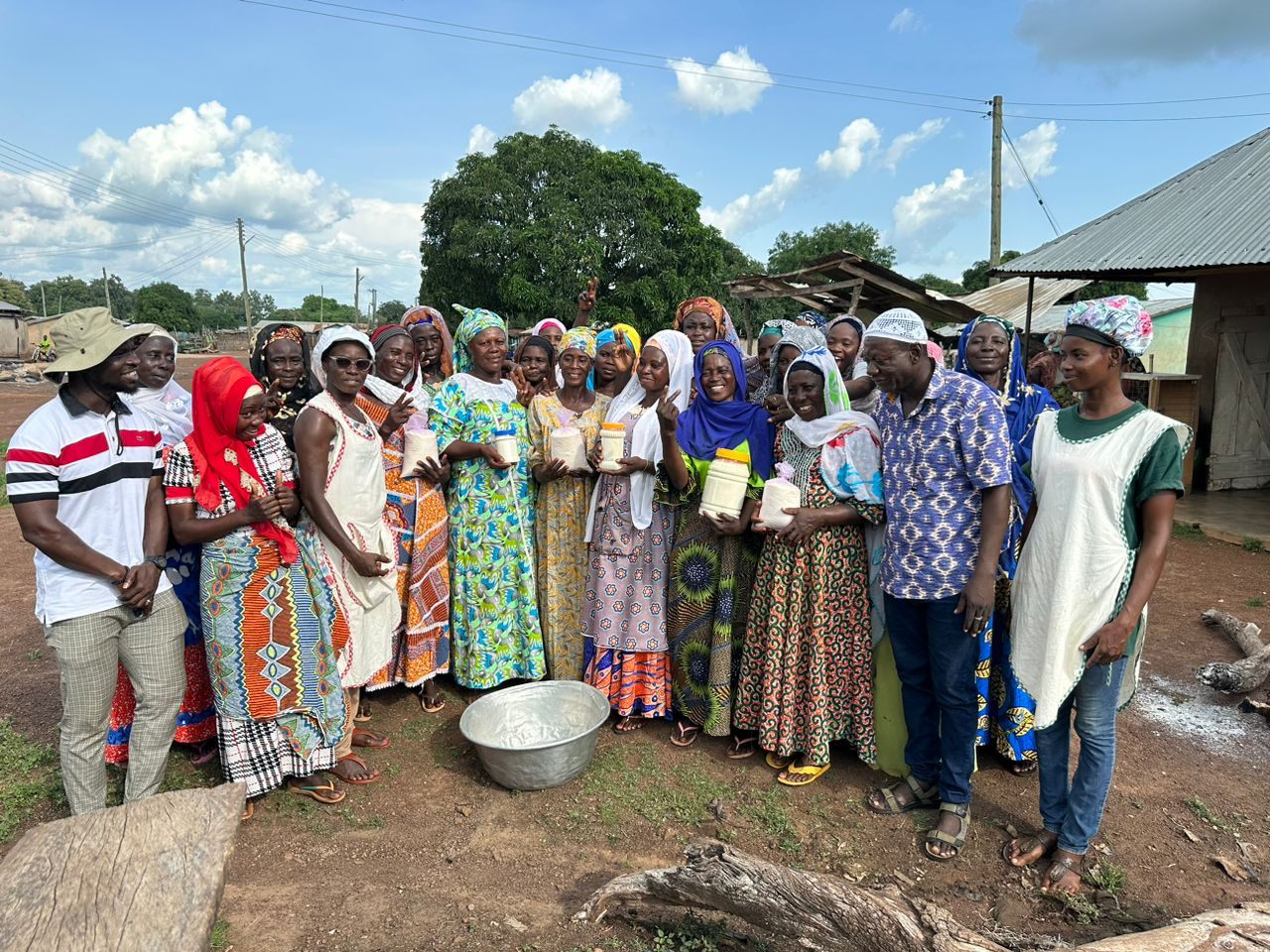
Strengthening women's groups to collect, process and sell quality shea butter at fair prices.
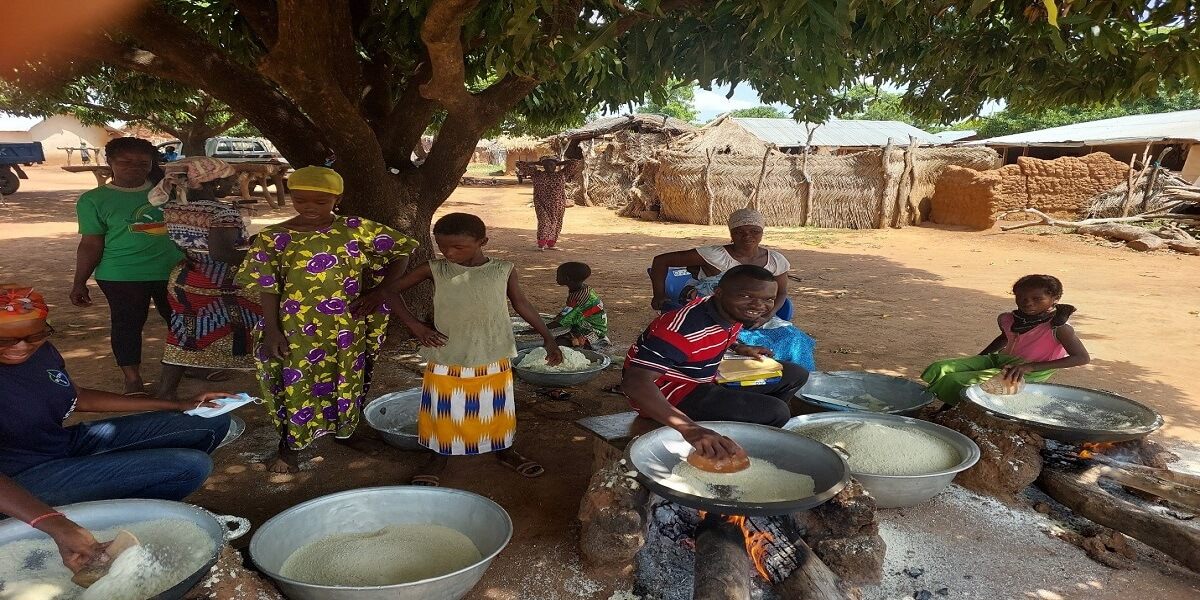
Equipping rural women and youth with agro-processing skills to add value and earn year-round income.
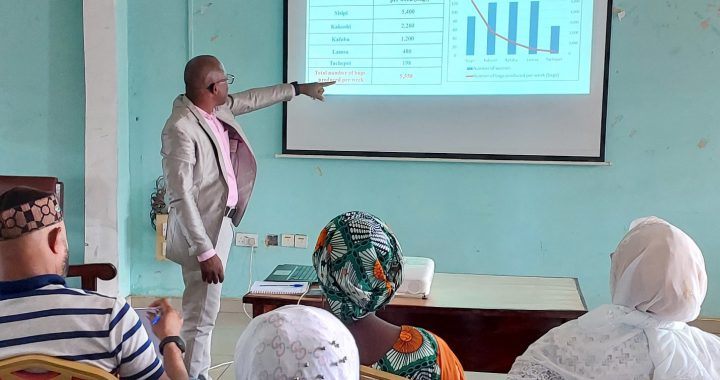
Taking findings back to communities for validation, then into district dialogue.
Talk to us about co-designing your next programme in Northern Ghana.
Hello! 👋 How can we help — partnering, funding a project, or volunteering?Online now