Evidence communities stand behind
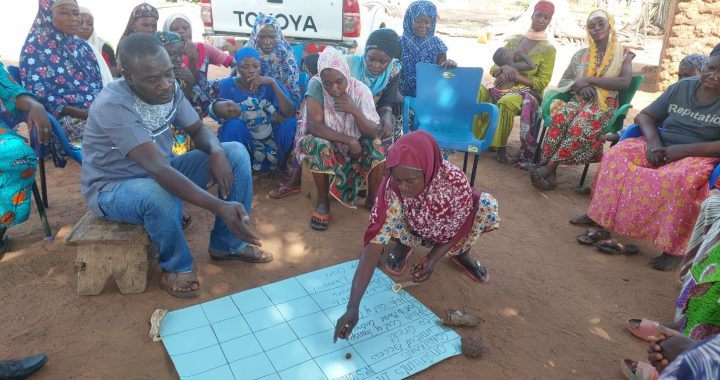
Residents confirmed, corrected and prioritised the findings before they went anywhere near a district meeting.
Policy Advocacy
Research about a community that is never shown to that community is not evidence. It is an assumption with a chart attached.
The Challenge
A great deal is written about rural Northern Ghana. Very little of it comes back to the villages it was written about, and less still reaches the district assemblies deciding where money goes.
The result is a gap in both directions. Communities cannot correct a record they never see, and decision-makers work from evidence that no one on the ground has ever confirmed. Priorities that are obvious in a village, particularly the ones women raise, drop out somewhere between the field notebook and the budget line.
Our Response
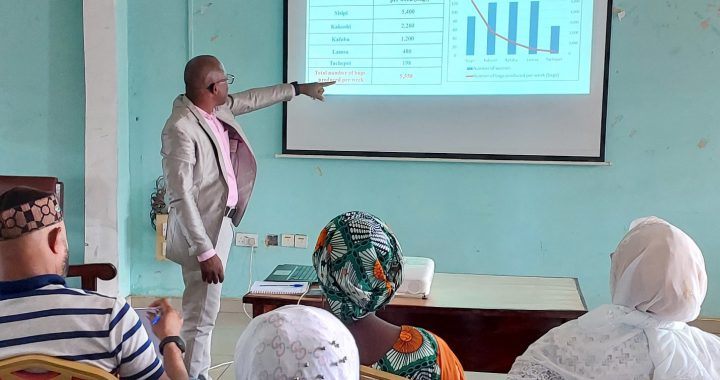
We built two steps into the research that are usually left out: going back, and going up.
The Difference
Findings that have been argued over in the community they describe carry a weight that a consultant's report does not.
Residents confirmed, corrected and prioritised the findings before they went anywhere near a district meeting.
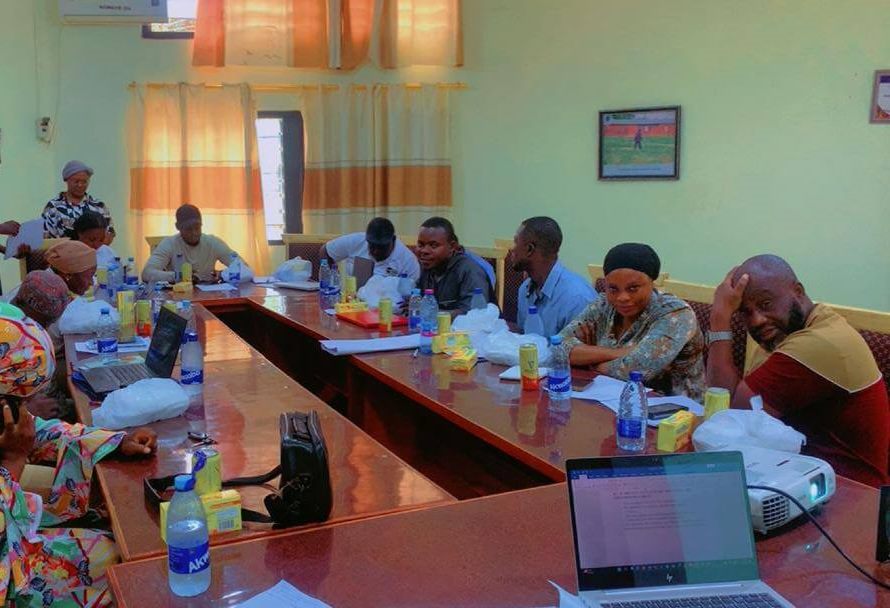
District dialogue put community representatives in front of the people who allocate resources.
Issues that commonly disappear in summary survived all the way to the dialogue table.
Communities saw what was said on their behalf, and could hold us to it.
Why It Matters
Decentralisation only delivers if local priorities actually reach local decisions. Validation is the unglamorous mechanism that makes the difference between consultation and being heard.
Get Involved
Researchers and funders working in Northern Ghana can build validation into what they already do.
Part of our Policy Advocacy programme.
More Of Our Work
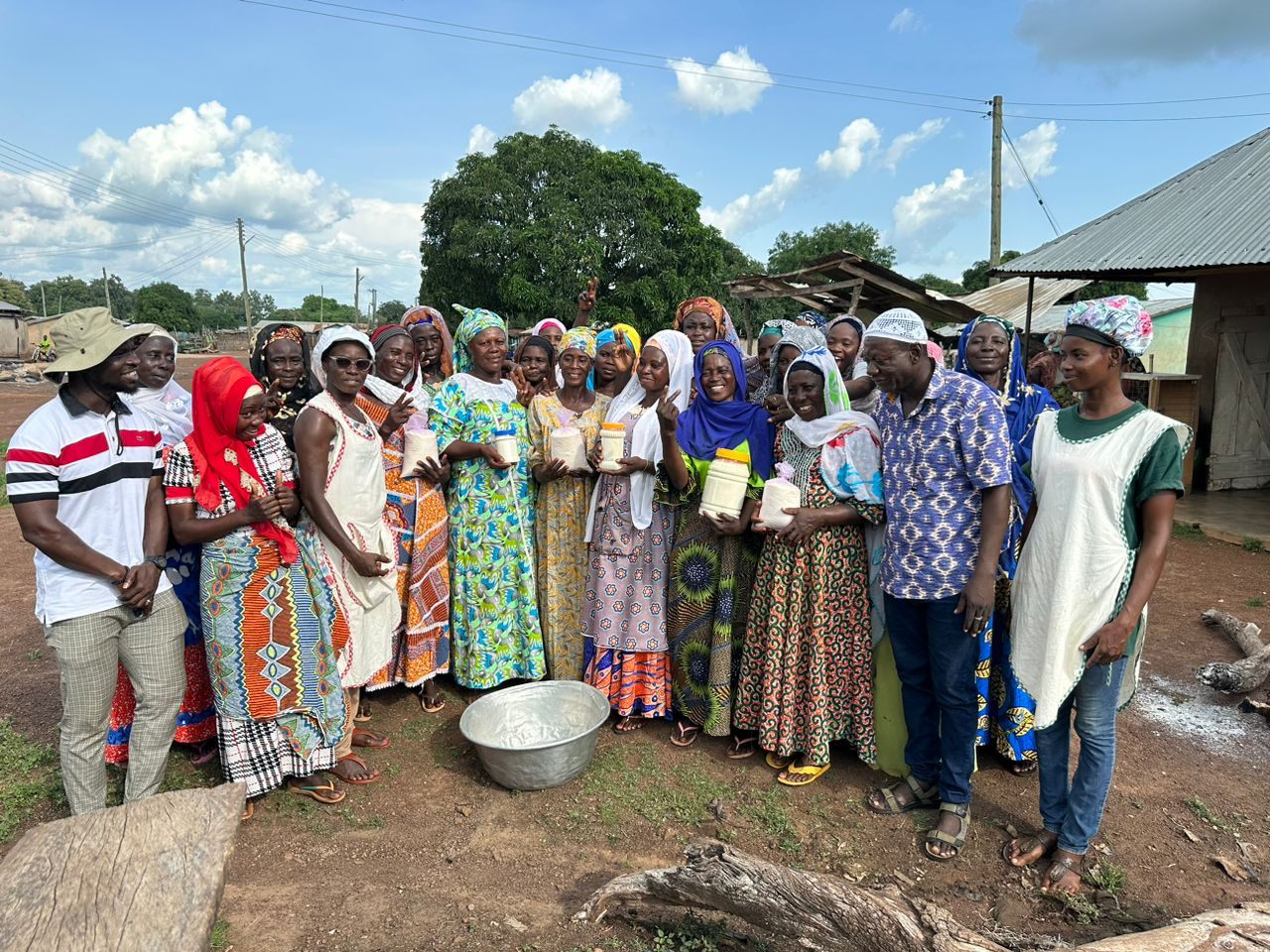
Strengthening women's groups to collect, process and sell quality shea butter at fair prices.
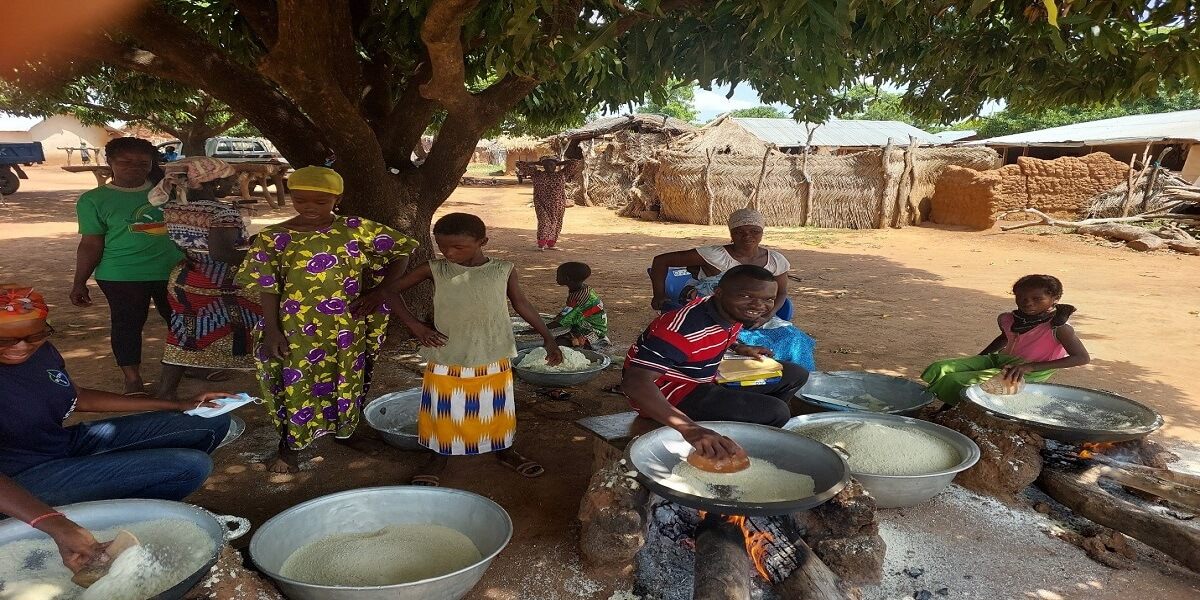
Equipping rural women and youth with agro-processing skills to add value and earn year-round income.
Working with communities to map climate risks, resources and priorities before any intervention begins.
Talk to us about co-designing your next programme in Northern Ghana.
Hello! 👋 How can we help — partnering, funding a project, or volunteering?Online now