Methods shared in both directions
Our participatory approach was examined in detail, and we took away practice from partners working elsewhere.
Partnership
Partnership works better when people have stood in the same field, met the same women's group and asked their own questions.
The Challenge
Most decisions about rural Northern Ghana are made a long way from it. Partners assess a proposal, read a report, approve a budget, and rarely see the work running.
That distance costs both sides. Funders and researchers carry assumptions that a week in the field would correct, and local organisations end up designing to what they think a partner wants rather than to what the work needs.
Our Response
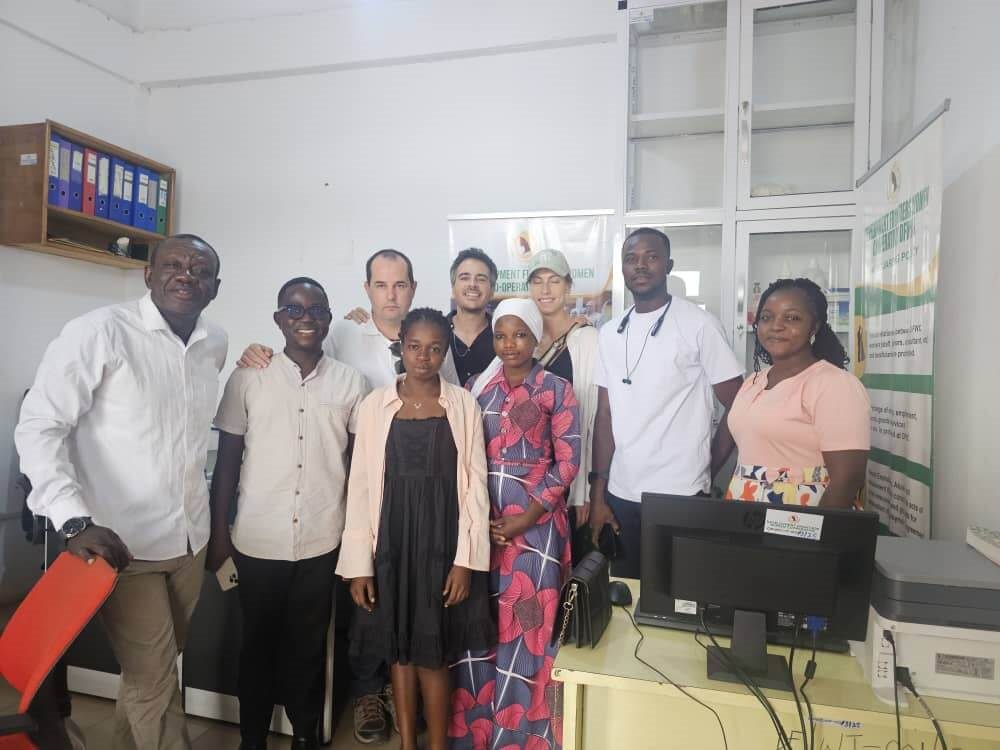
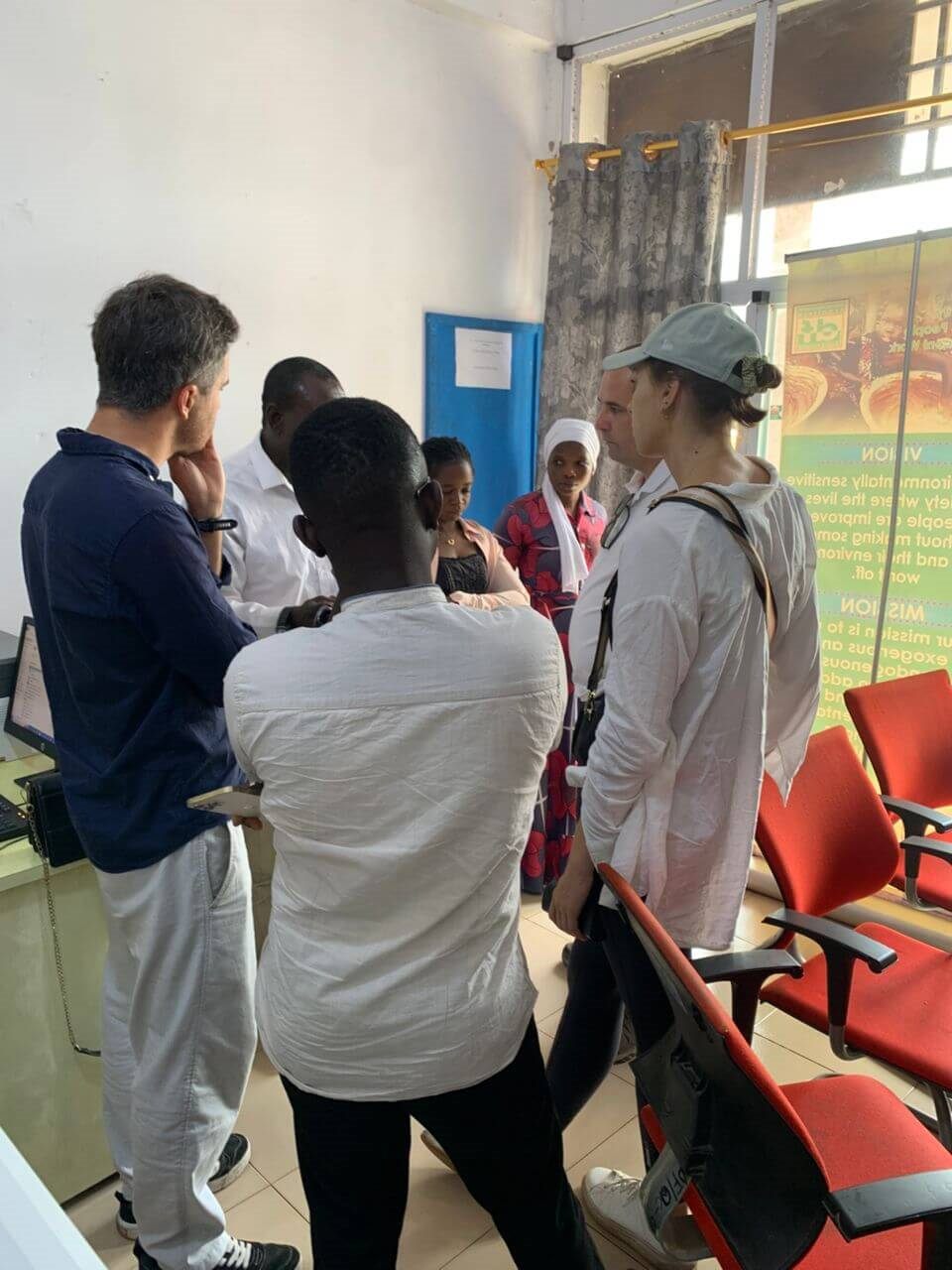
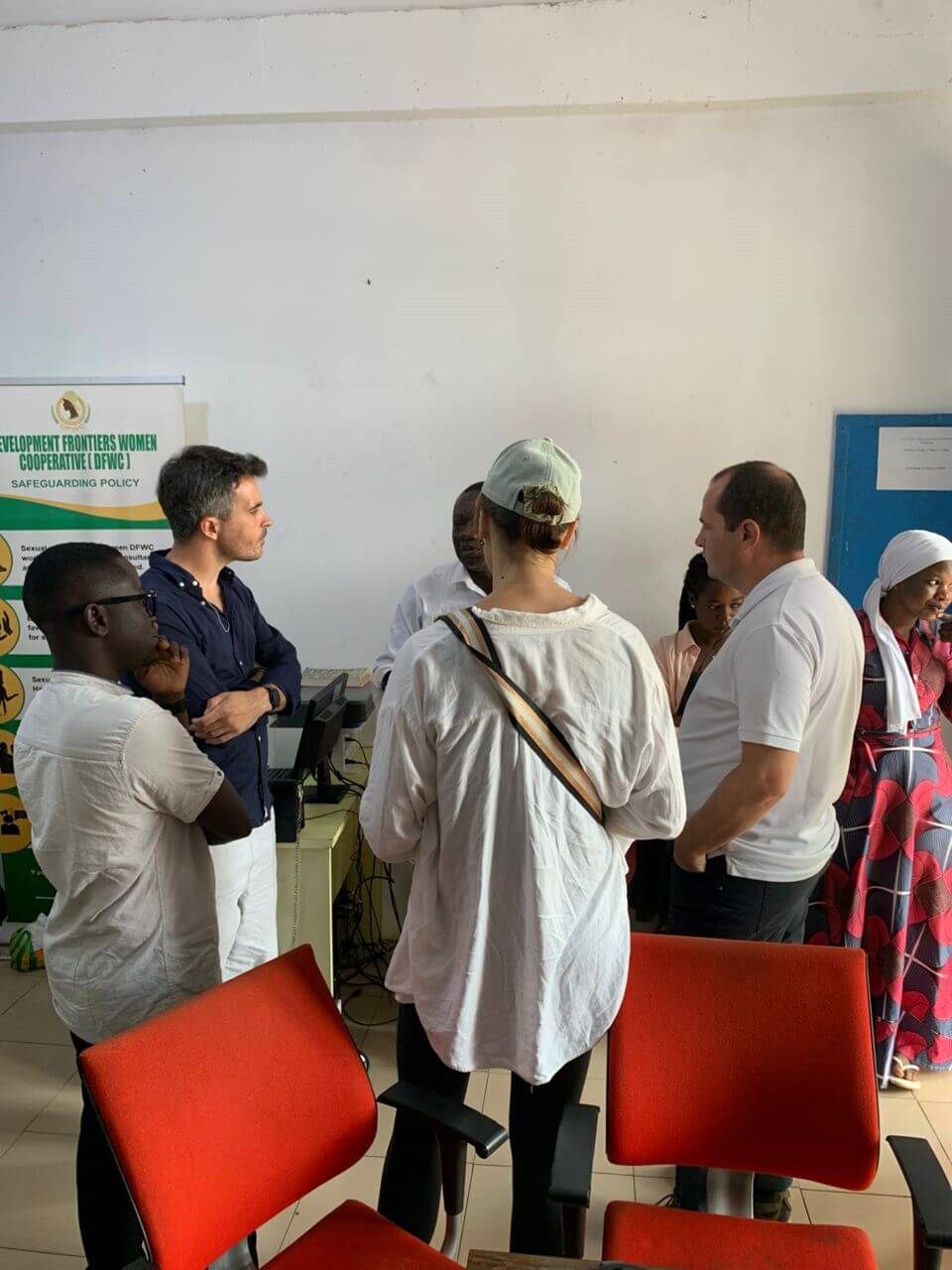
We hosted international partners and researchers in Tamale and took them to where the work actually happens.
The Difference
Visits like this change the quality of the conversation afterwards.
Our participatory approach was examined in detail, and we took away practice from partners working elsewhere.
Going through what worked and what did not, in person, sets a different standard than a written report.
Partners saw our safeguarding practice in the field rather than as a policy attachment.
Shea and women's livelihoods emerged as the clearest ground for working together.
Why It Matters
Local organisations are usually asked to prove themselves on paper. Hosting partners properly turns that into a relationship between people who have seen the same thing.
Get Involved
If you fund, research or deliver work in Northern Ghana, we would rather show you than tell you.
Part of our Local Economic Development programme.
More Of Our Work
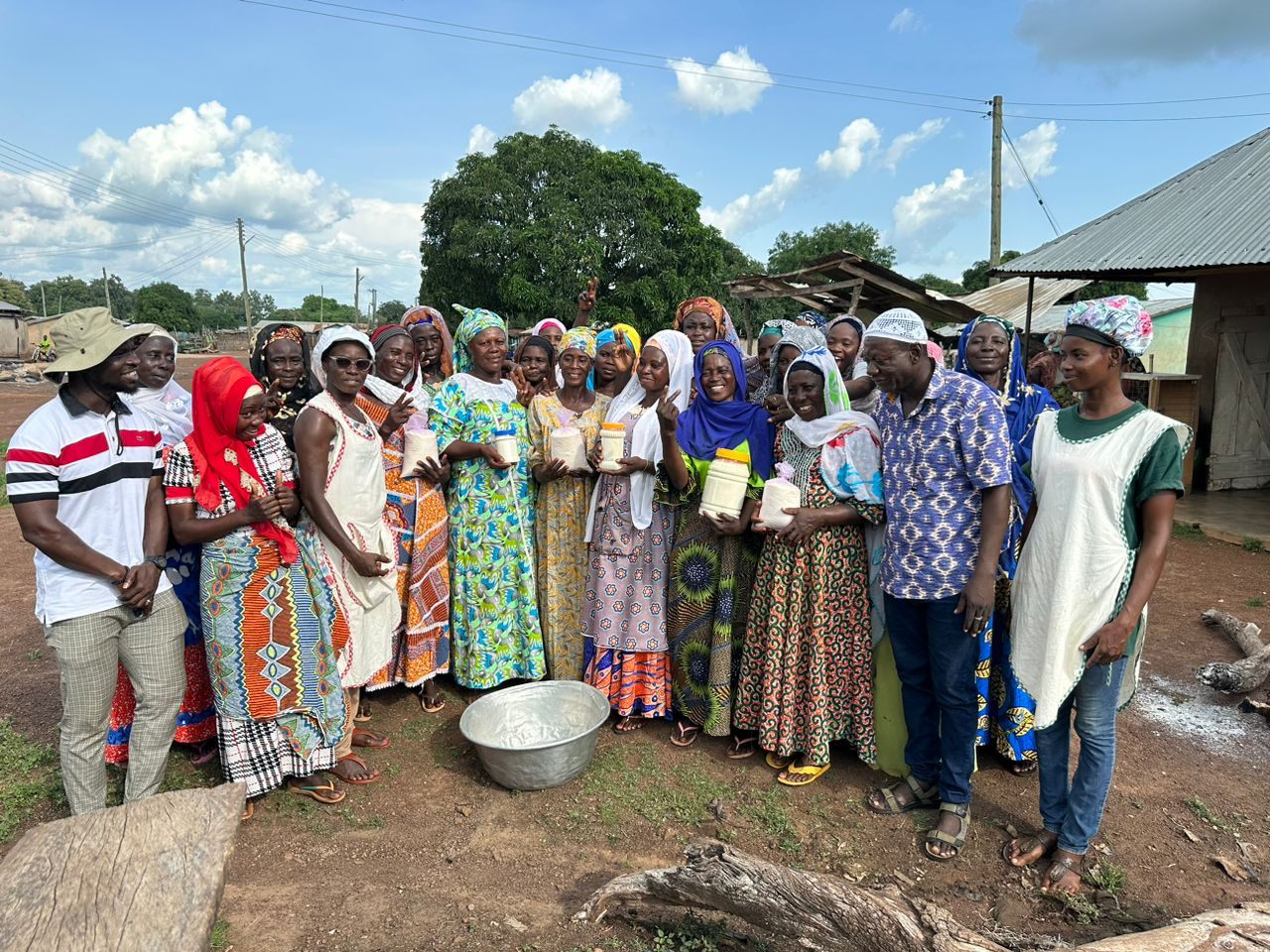
Strengthening women's groups to collect, process and sell quality shea butter at fair prices.
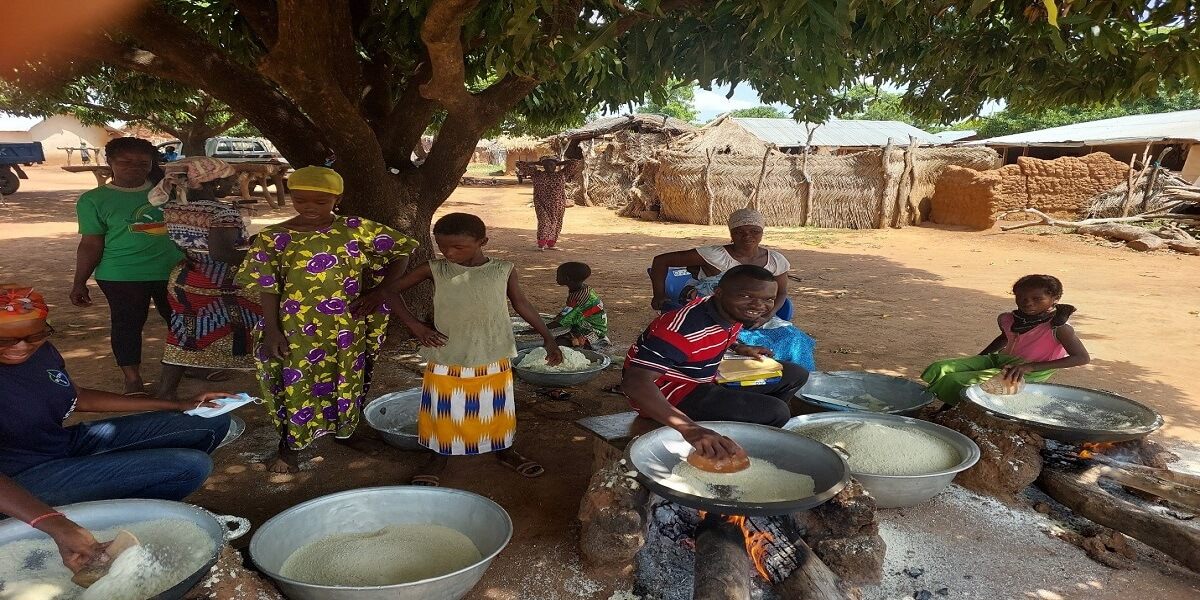
Equipping rural women and youth with agro-processing skills to add value and earn year-round income.
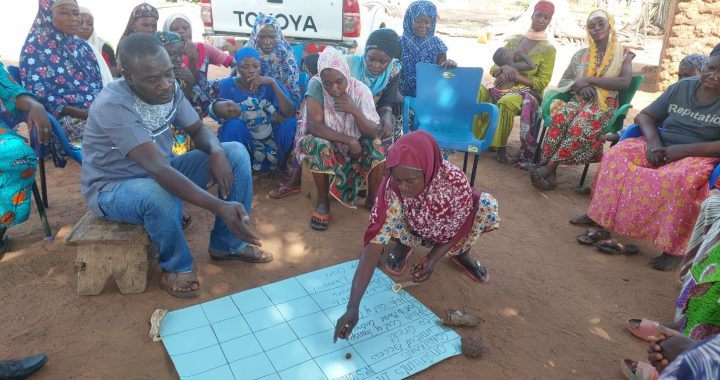
Working with communities to map climate risks, resources and priorities before any intervention begins.
Talk to us about co-designing your next programme in Northern Ghana.
Hello! 👋 How can we help — partnering, funding a project, or volunteering?Online now