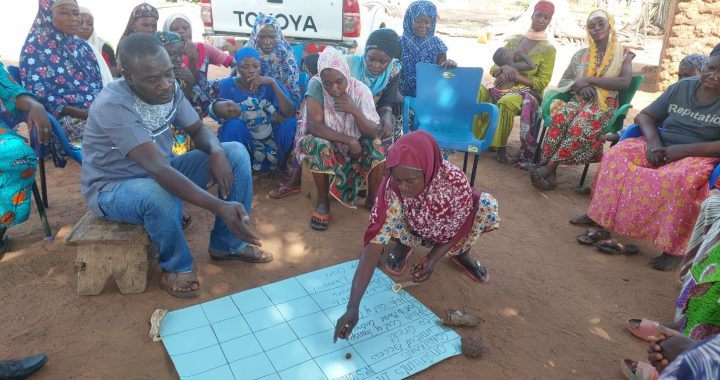
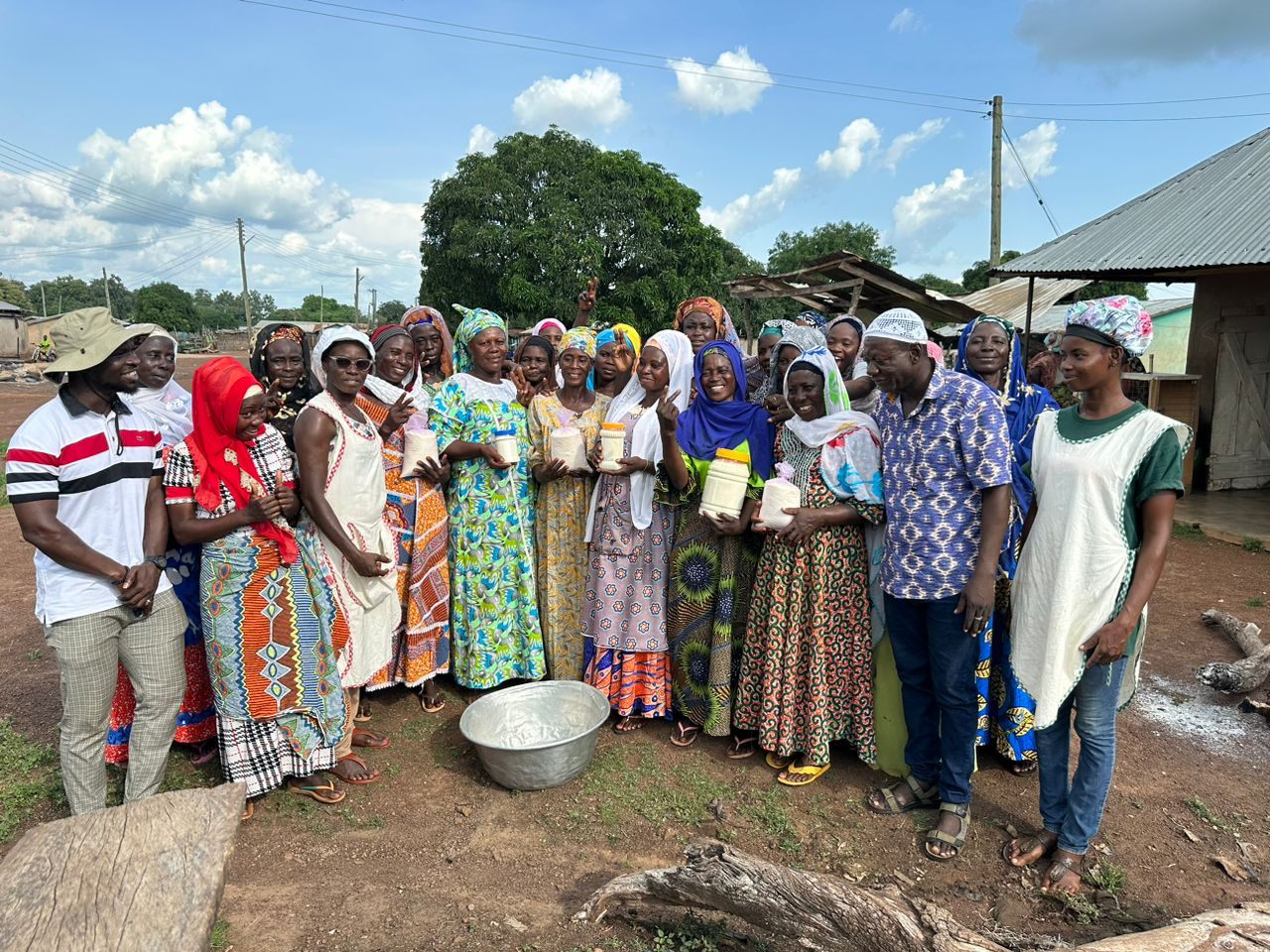
Every programme we run begins the same way: on the ground, in the open, with residents marking out their own community while everyone watches.
It looks inefficient. A visiting team with a questionnaire could gather comparable information in a fraction of the time. We keep doing it the slow way for a reason.
A map in public can be argued with
When the recording happens in the open, anyone standing there can dispute it. A borehole marked as working gets corrected by the person who walks past it every morning. A field marked as farmland turns out to have been abandoned two seasons ago.
A questionnaire filled in privately and typed up elsewhere cannot be corrected by anyone. By the time it becomes a finding, it is unchallengeable simply because nobody who could challenge it will ever see it.
Who is holding the marker matters
The first version of a community map, drawn by whoever speaks first at a gathering, tends to be a map of one group's priorities. It is usually accurate and usually incomplete.
So we run separate sessions with women and with young people. The differences are consistent enough that we now plan for them:
- Water points are ranked far higher by the people who actually fetch the water.
- Distance and safety of routes come up in women's sessions and rarely in general ones.
- Young people raise land access and the absence of paid work, which landholders seldom name.
- Seasonal hunger is described very differently depending on who feeds the household.
Seasonal calendars tell you when, not just what
Asking a community what its problems are produces a list. Asking when in the year each one bites produces a plan. Hardship in these communities is rarely constant; it clusters into particular weeks, and a programme timed against that calendar does considerably more good than the same programme delivered whenever the funding cycle allowed.
What it is really for
The map is not the output. The output is that residents have seen their own priorities written down, in front of witnesses, before anyone decided what to build. It is much harder for a programme to quietly drift away from what a community asked for when the community has a copy of the question.