Ask what a farming household needs and the answer usually involves the harvest: better seed, more rain, a larger yield. All true. But we have watched good harvests turn into difficult years often enough to be sure that yield is not where the problem concentrates.
Cassava sets its own deadline
Once cassava is lifted, it begins to deteriorate within days. That single fact hands the timing of every sale to whoever is buying. A household that cannot process quickly has to sell quickly, at whatever the price is that week.
And the price that week is poor, because every other household is in exactly the same position at exactly the same time. Everyone harvests together, so everyone sells together, so the market is flooded by people who cannot wait.
Processing buys back the timing
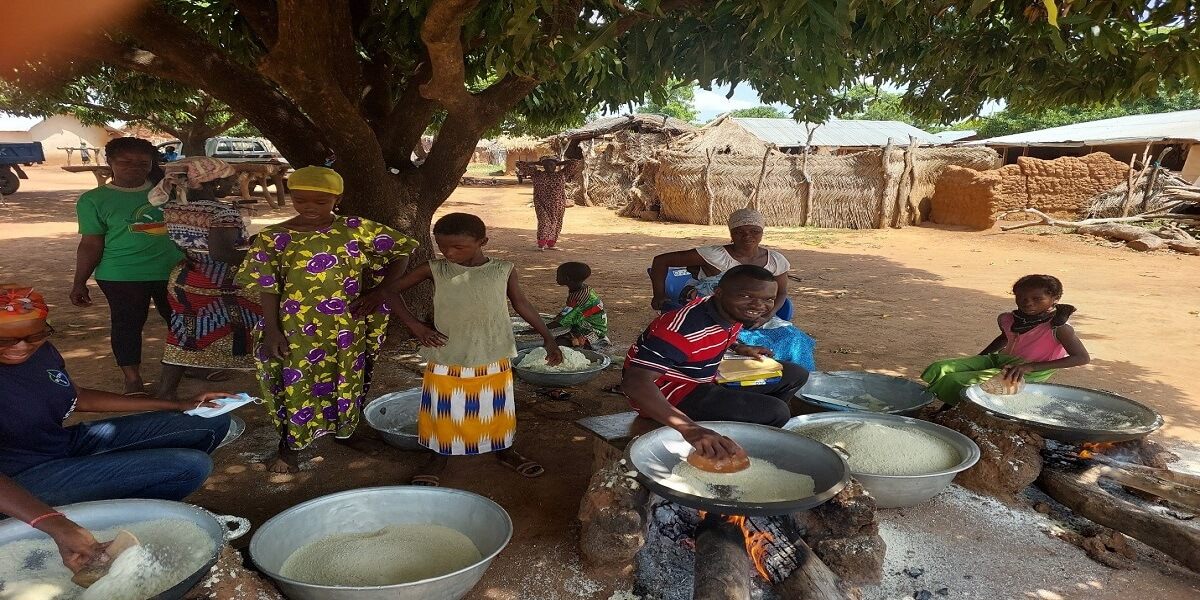
Turning cassava into gari changes the arithmetic. Gari stores. A household with gari can sell in the lean months when prices have recovered, rather than in the glut when they have collapsed.
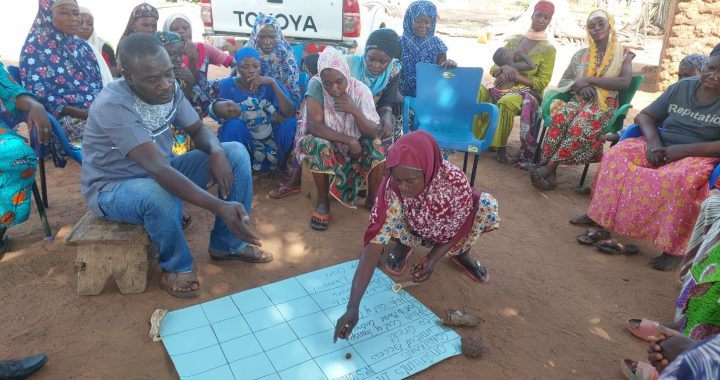
That is why our work in the Savannah Region concentrated on what happens after the crop comes up:
- Grating, pressing, fermentation and roasting done to a consistent standard
- Improved equipment, which cuts both the hours and the physical toll
- Food safety and hygiene practice from handling through to storage
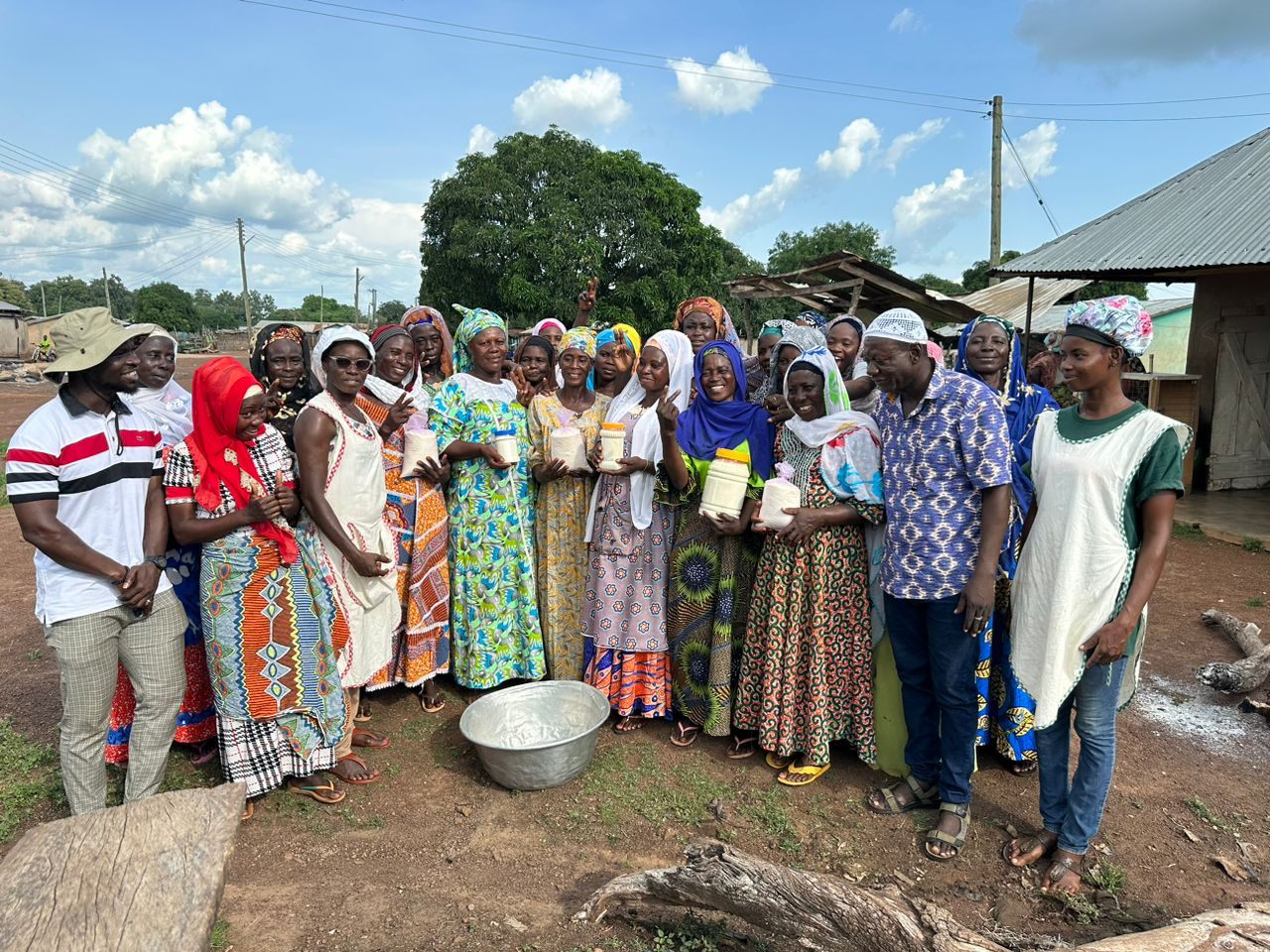
- Packaging, pricing and enough record-keeping to run it as a business
It is heavy, and it falls on particular shoulders
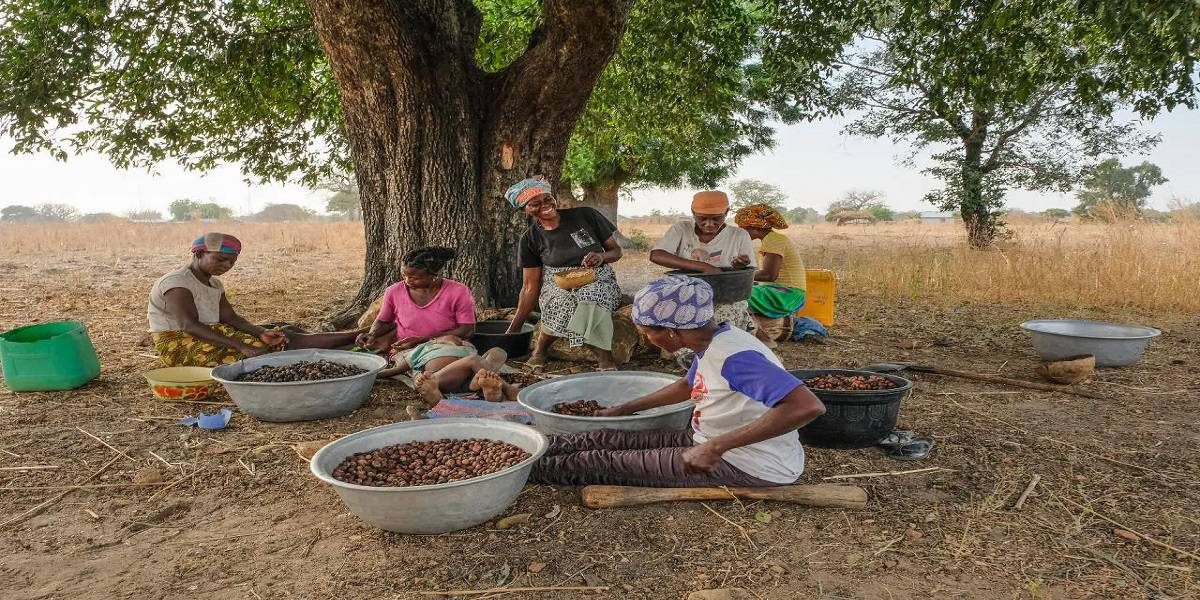
Processing is hot, slow, physically punishing work, and in most of the communities we work in it is done by women and young people, using whatever equipment can be borrowed. Treating it as an enterprise rather than a chore means investing in the tools and the skills of the people already doing it.
“The gap between a good harvest and a good year is almost always what happens after the harvest.”
From our project notes
Why young people stayed
The part we did not fully anticipate was the effect on young people. Agriculture had come to mean waiting for a season and taking whatever it gave. Agro-processing is a skill, it runs year-round, and it can be organised into a group that buys and sells together. For some of the young people we trained, that was the first version of farming that looked like a reason to stay.