Why we start with a map drawn on the ground
Before any programme begins, we sit with a community and map what is actually there. It is slow, it is public, and it changes what we build more often than anyone expects.
Fuseini Issah 2 min read
Our Approach
The phrase turns up in every climate strategy document. Here is what it actually asks of us when we arrive in a community that has been asked for its opinion many times before.
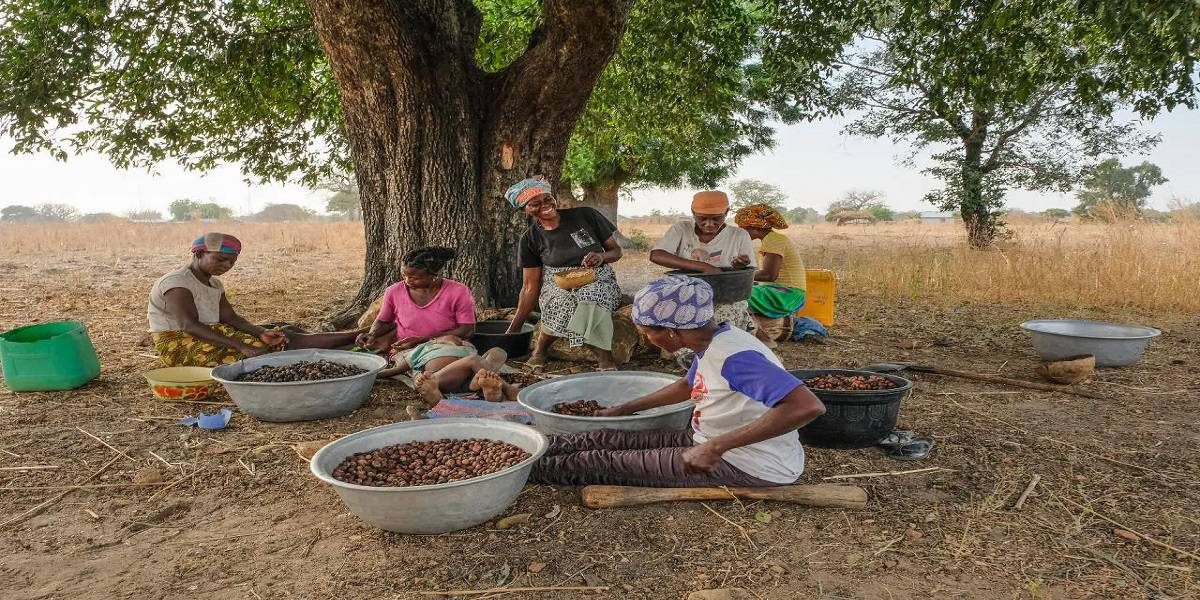
Development Frontiers was incorporated in 2014 to promote local economic development, environmental sustainability and social justice through the principles of Just Transitions. That sentence appears on our About page, and like most mission statements it is easier to write than to live up to.
The idea behind a just transition is simple enough. Communities have to change how they farm, what they plant and how they use the land around them, because the climate they built those habits around no longer behaves the way it did. The transition is coming either way. Whether it is just depends on who carries the cost of it.
A household farming two acres cannot afford a bad idea. If a new practice fails, there is no second planting and no buffer. This is the central tension in climate work: the people who most need to adapt are the people who can least afford to take a risk on advice from outside.
It is also why so much adaptation advice is politely received and quietly ignored. Not because it is wrong, but because nobody offering it is carrying any of the downside.
That third point causes the most disagreement, and we think it is the most important. A programme can raise a household's earnings and change nothing about who decides how they are spent. In communities where women do most of the collecting, processing and selling, a rise in income that bypasses them is not a transition at all.
“We measure success by what a community can carry on without us.”
How we judge our own programmes
The clearest thing we have done is also the thing that removed us from the picture. The women's groups we worked with in the shea value chain organised into the Development Frontiers Women Cooperative, which is now an independent cooperative that we do not run.
That is the shape we are trying to repeat. Not a longer list of beneficiaries, but a shorter list of things that still need us.
Keep Reading
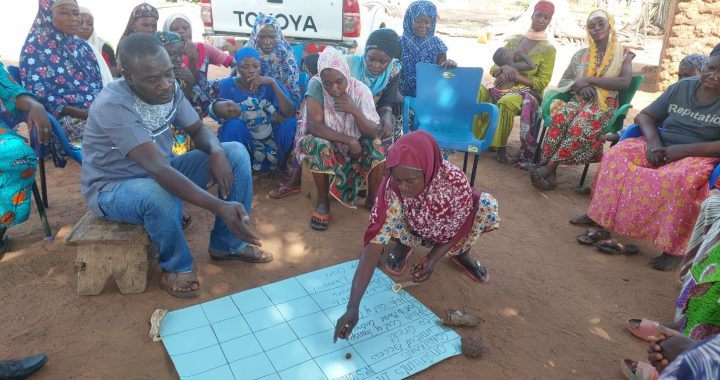
Before any programme begins, we sit with a community and map what is actually there. It is slow, it is public, and it changes what we build more often than anyone expects.
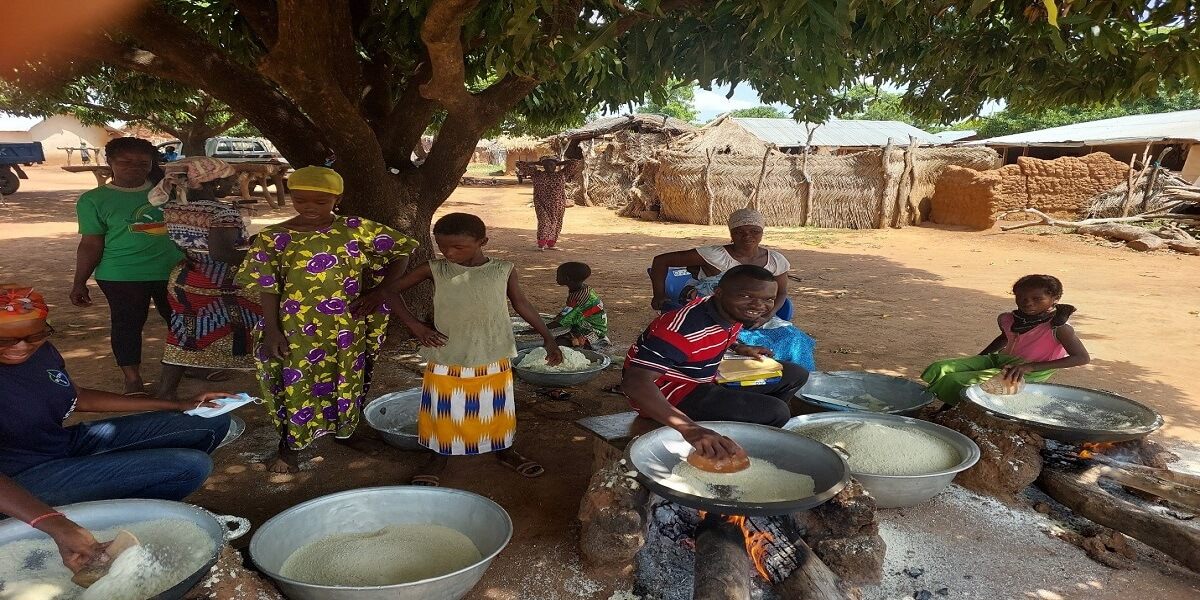
A good harvest and a good year are not the same thing. What happens in the days after the crop comes out of the ground usually decides which one a household gets.
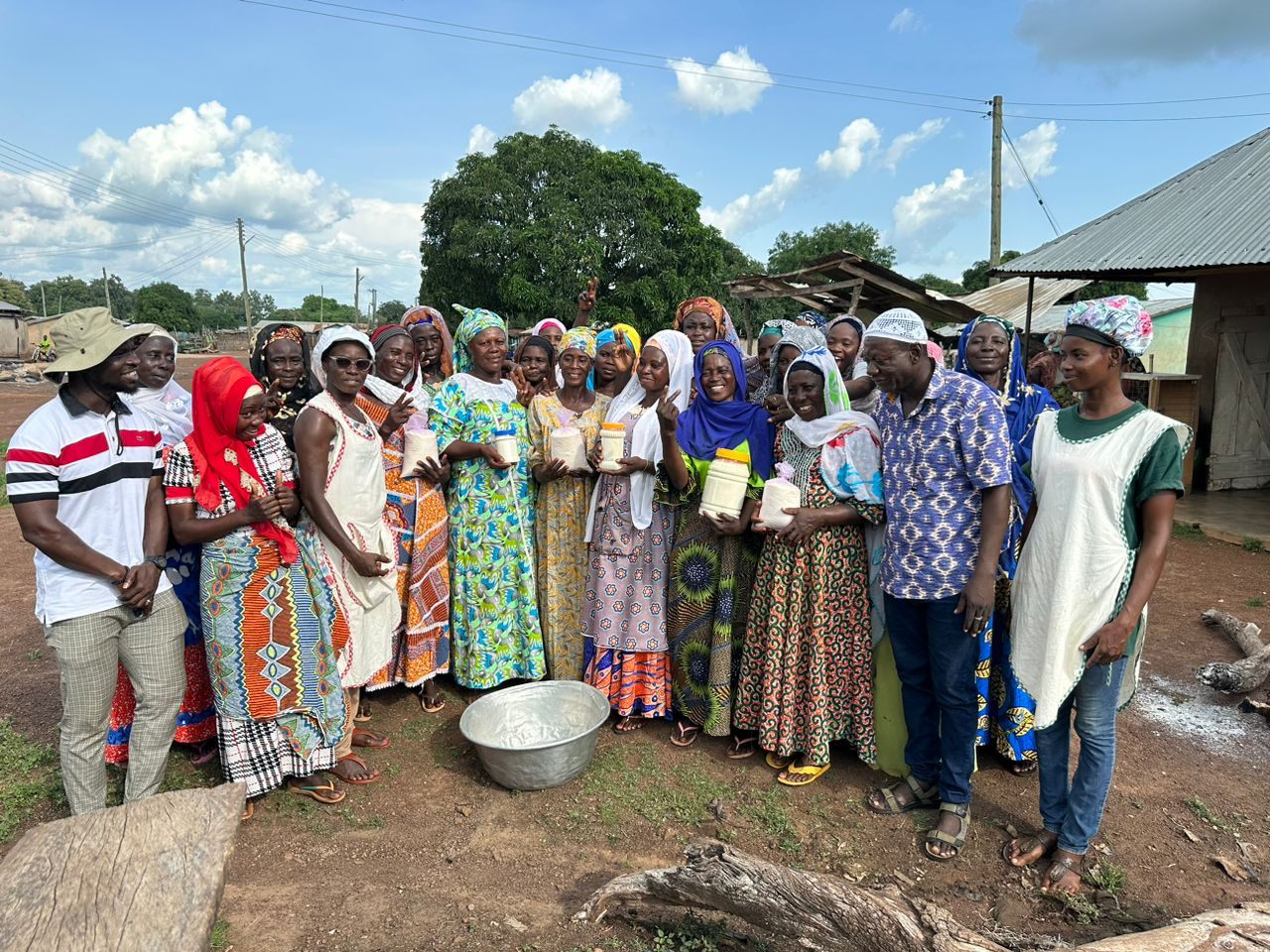
The organisation we are proudest of is one we no longer run. What it took to hand a programme over to the women who were once its beneficiaries.
We welcome donors, researchers and delivery partners who want to reach rural communities effectively.
Hello! 👋 How can we help — partnering, funding a project, or volunteering?Online now