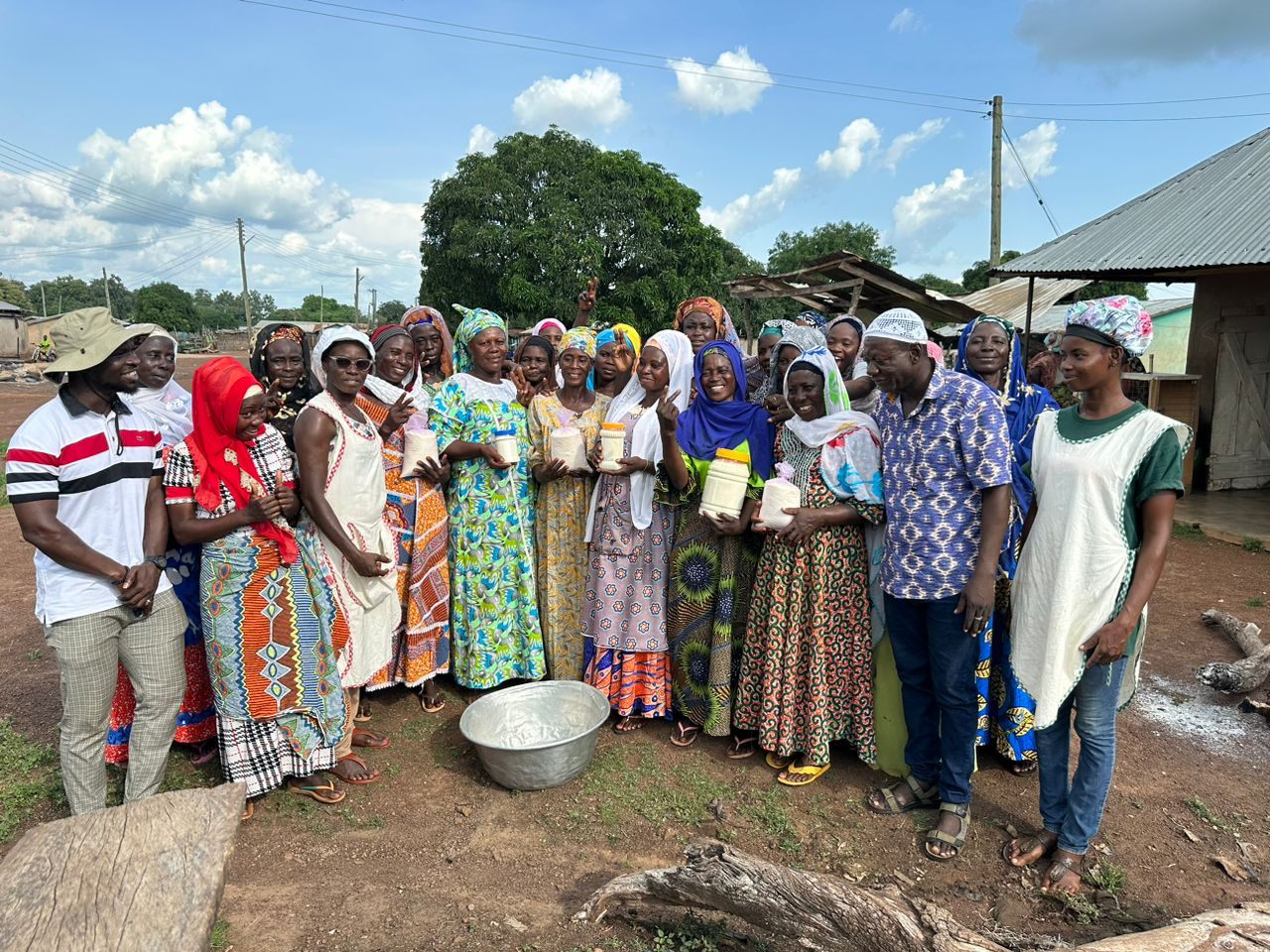
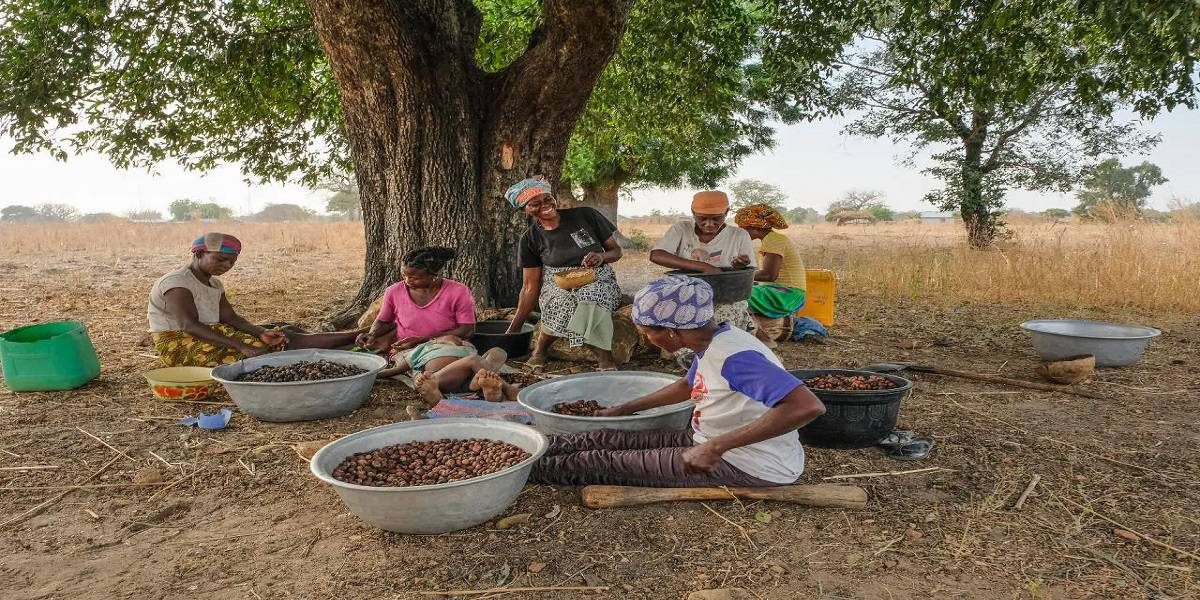
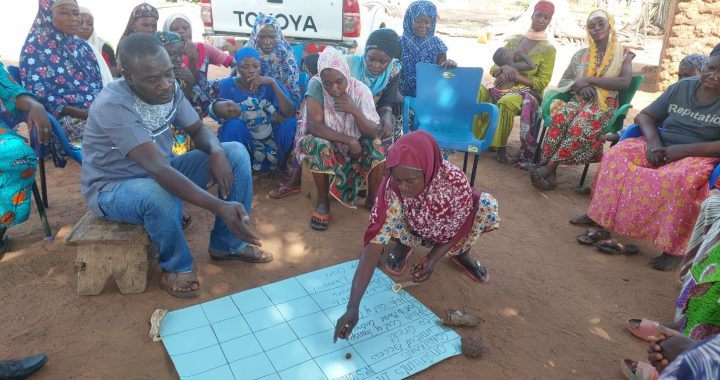
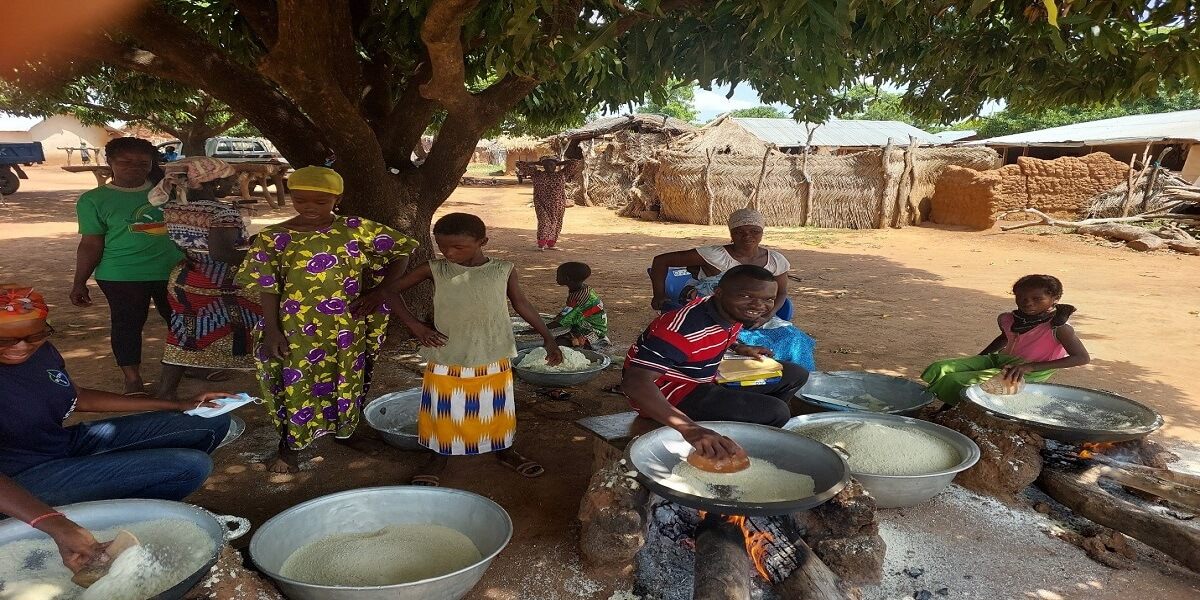
The Development Frontiers Women Cooperative is an independent cooperative organisation, owned and run by its members. It was not always. It began inside our programmes, made up of women who were, in the language of the sector, our beneficiaries.
Handing it over was the point from early on. Doing it took longer, and demanded more, than the phrase "exit strategy" suggests.
Independence is an accumulation of dull things
What a group actually needs in order to stand on its own is not inspiring to fund and not quick to build:
- Governance that works when members disagree, not only when they agree
- Records kept well enough to satisfy a buyer, a bank or an auditor
- Savings, so the group can hold stock instead of selling at the first offer
- A product consistent enough that a buyer will pay for quality
- Leadership that changes hands without the whole thing stalling
None of that is a training workshop. It is years of a group running its own affairs, badly at first, with support available but not in charge.
The hardest part was stepping back
The difficult phase is the middle one, where the group can mostly manage and the supporting organisation can still do everything faster and better. Every instinct, and most reporting deadlines, push towards stepping in.
Stepping in is how organisations end up permanently necessary. A group that has never made a decision without supervision has not been prepared for independence; it has been prepared for continued supervision.
What it means for how we work now
DFWC is the model we are trying to repeat, and it sets the standard we judge new work against. The question we ask of a programme is not how many people it reached but what will still be standing, and owned locally, once the funding ends.
Development Frontiers is now the parent organisation behind a growing family of independent, community-owned organisations. That is the direction: fewer things that depend on us, more things that outlast us.